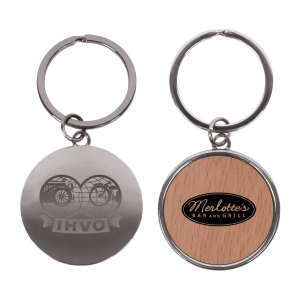
Are corporate gifts and promotional items still effective, or have they become predictable and easy to ignore?
In a crowded digital landscape, physical products continue to stand out. When chosen strategically, they create tangible brand experiences that emails, ads and social media simply cannot replicate. However, not all items deliver the same impact.
In this guide, you’ll learn what corporate gifts and promotional items are, how they differ, when to use each, and how to select options that strengthen relationships while supporting your marketing goals.
What Are Corporate Gifts and Promotional Items?
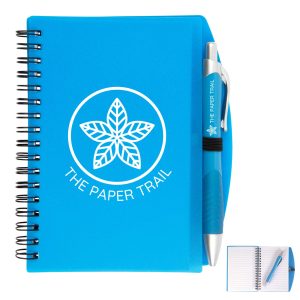
Corporate gifts and promotional items are branded physical products used to engage clients, employees or prospects.
Although the terms are often used interchangeably, they serve different purposes.
Corporate gifts are typically higher-value items given to express appreciation or strengthen relationships. These may be presented to key clients, partners or staff.
Promotional items, on the other hand, are designed for wider distribution. They prioritise brand visibility and reach rather than exclusivity.
Both approaches can be effective when aligned with the right objective.
In these situations, perceived value matters more than quantity. A well-chosen gift signals professionalism, attention to detail and respect.
When to Use Promotional Items
Promotional items work best when reach and visibility are the priority.
Common uses include:
• Trade shows and exhibitions • Public events • Product launches • Community campaigns • Recruitment drives • Large conferences
Because distribution volumes are higher, cost efficiency becomes important. However, practicality still determines whether recipients keep or discard the item.
Cheap vs Premium: Finding the Right Balance
One of the biggest decisions businesses face is whether to prioritise price or perceived quality.
Lower-cost items can work well for mass distribution. However, they risk being discarded quickly if they lack usefulness.
Premium items require higher investment but often deliver stronger retention and brand recall.
Consider the trade-off:
Lower-Cost Items
Premium Items
Greater reach
Greater impact
Shorter lifespan
Longer retention
Lower perceived value
Strong brand positioning
Suitable for large events
Suitable for key relationships
Ultimately, the right choice depends on audience expectations and campaign objectives.
Popular Corporate Gifts for Business
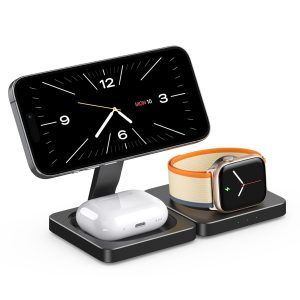
High-performing corporate gifts typically combine usefulness with a sense of quality.
Products that solve everyday problems tend to achieve higher retention rates.
Common Corporate Gifting Mistakes
Even well-intentioned campaigns can underperform due to avoidable errors.
Typical mistakes include:
• Choosing products based only on price • Ignoring audience preferences
• Ordering too late for proper production • Overlooking packaging presentation • Selecting items with limited practical use
Careful planning and supplier guidance can prevent these issues.
Measuring the Impact of Corporate Gifts and Promotional Items
Unlike digital advertising, success is not measured by clicks alone.
Instead, consider:
• Brand exposure over time • Client retention and satisfaction • Event engagement levels • Social sharing • Word-of-mouth referrals
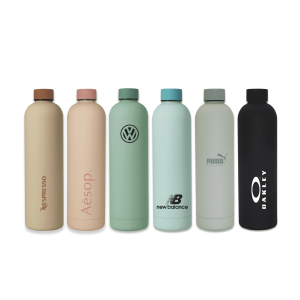
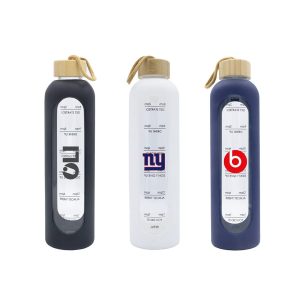
For example, a high-quality drink bottle used daily can generate thousands of impressions without additional spend.
Final Takeaways
Corporate gifts and promotional items remain powerful tools for building relationships and increasing brand visibility.
Success depends on alignment:
• Match the product to the audience • Match quality to brand positioning
• Match quantity to campaign goals • Match timing to event schedules
When these elements work together, branded products create lasting impressions that extend far beyond the moment of delivery.