
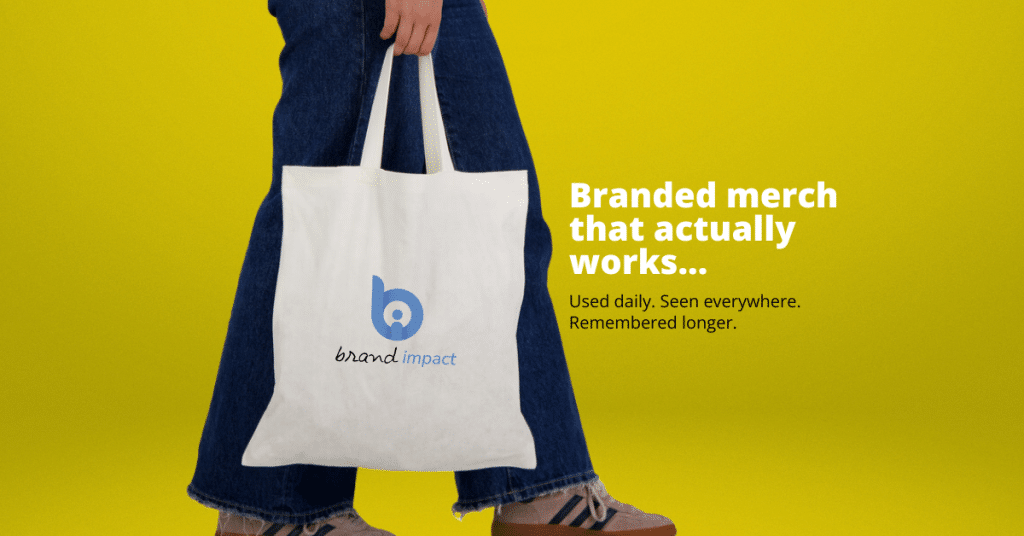
What is branded merchandise?
Branded merchandise refers to custom products printed or embroidered with your logo. These items help promote your business, build awareness, and create lasting impressions over time.
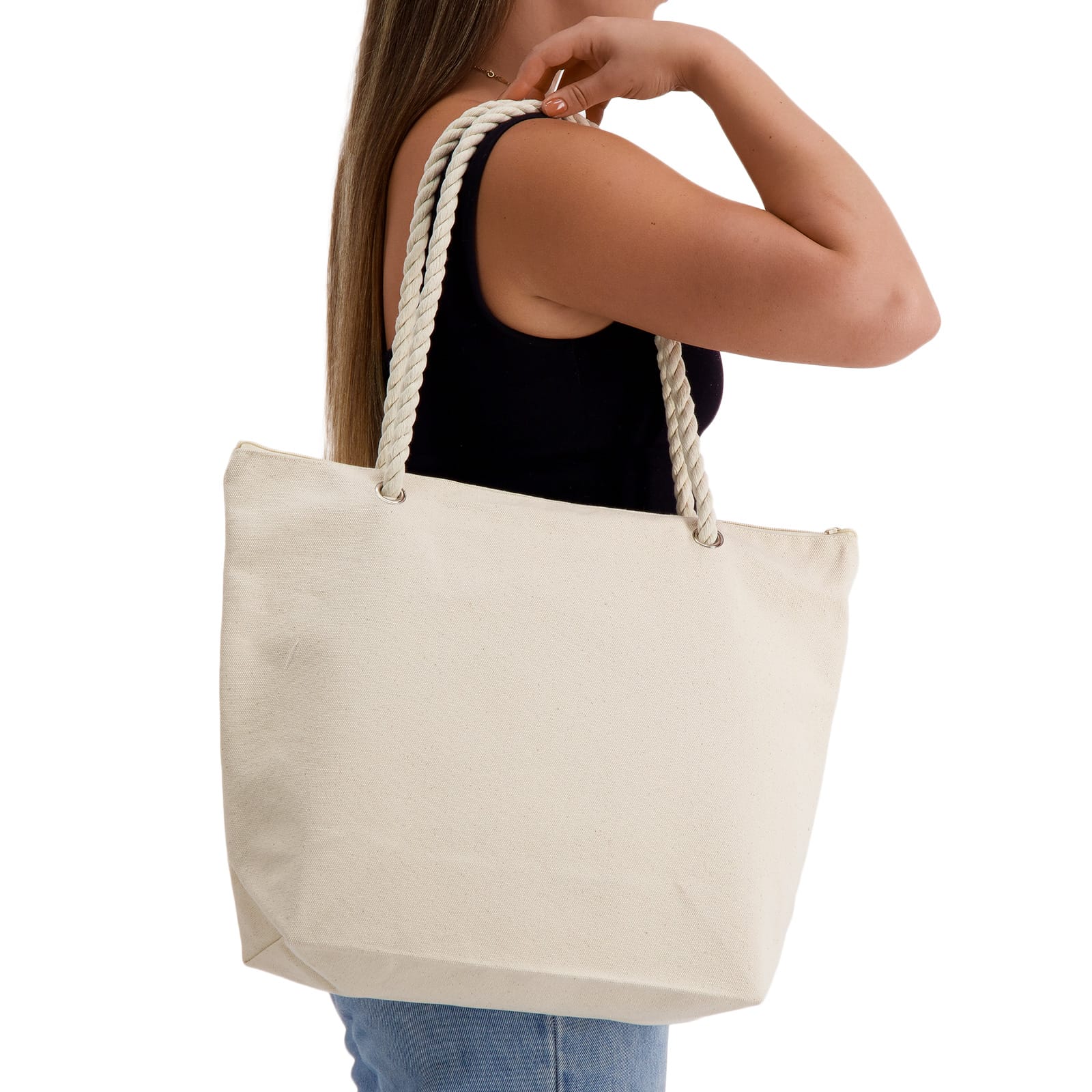
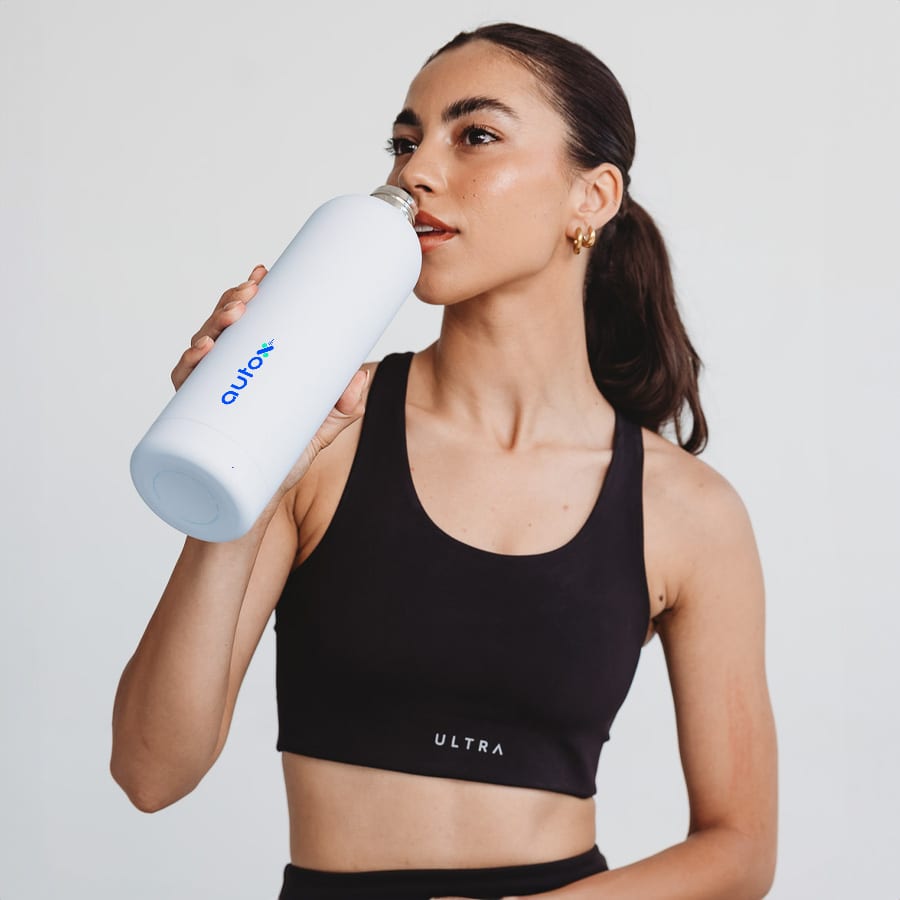
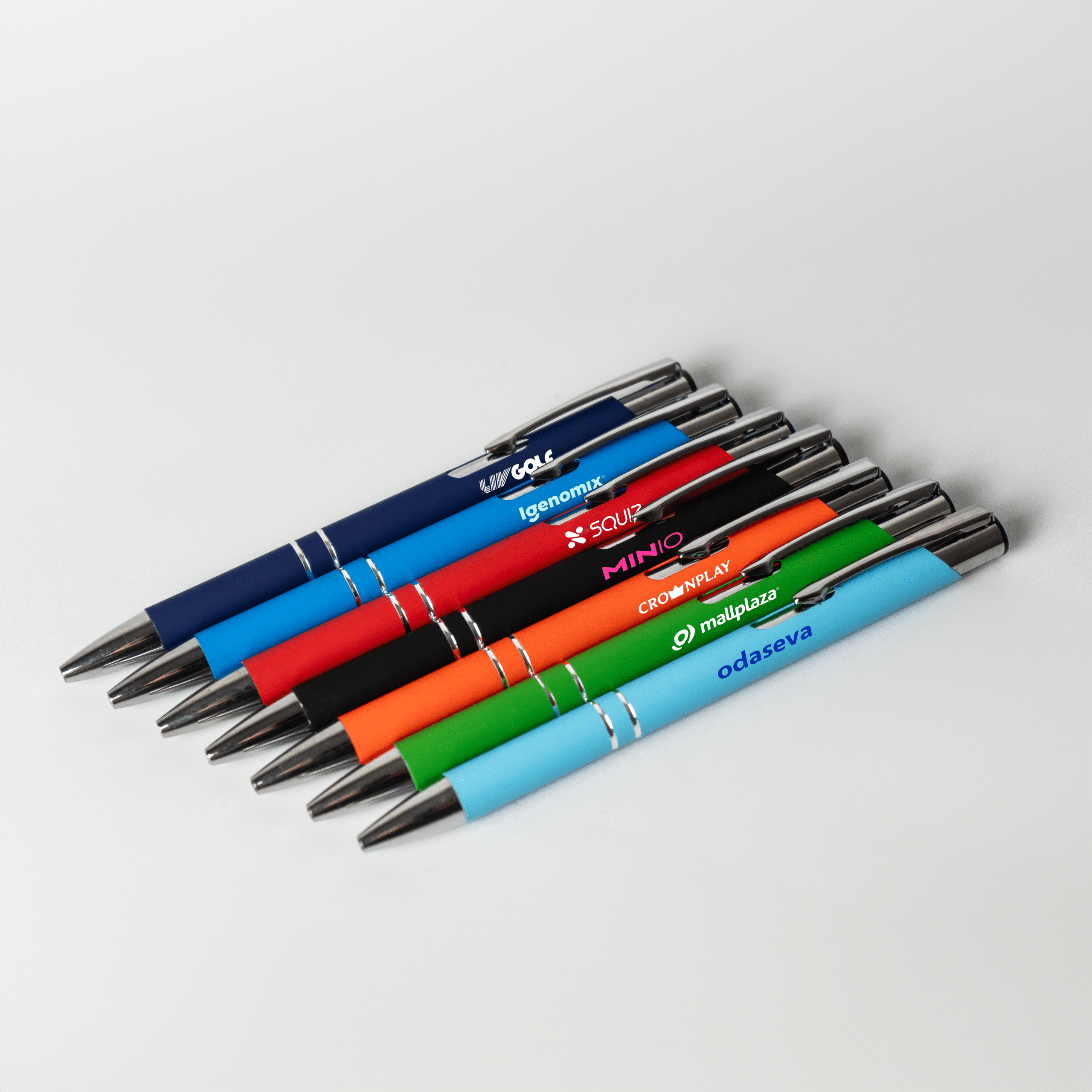
For example, common options include tote bags, drink bottles, promotional pens, apparel, and corporate gifts used for marketing, events, and staff engagement.
Why is branded merchandise effective?
This approach works because it creates repeated exposure through everyday use. Unlike digital advertising, promotional products stay with the user for longer. As a result, your brand gains ongoing visibility rather than short-term impressions.
In our experience, many businesses see stronger engagement when products are chosen based on practical use and audience fit, not just price.
What are the most popular promotional products in Australia?
Across Australia, certain products consistently perform better than others. In most cases, tote bags, drink bottles, promotional pens, custom t-shirts, and corporate gifts lead the way.
This is because they combine visibility with everyday function, making them more likely to be kept and used.
What are the best types of branded merchandise?
The best results usually come from products that people use often and keep for longer. Because of this, items like tote bags, drink bottles, promotional pens, apparel, and corporate gifts tend to deliver the strongest return.
Everyday use products (High ROI)
For instance, everyday items include:
- Drink bottles
- Tote bags
- Promotional pens
- Notebooks

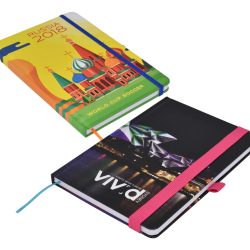
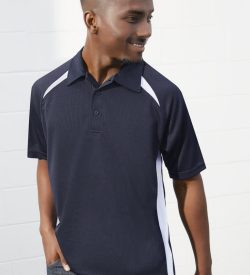
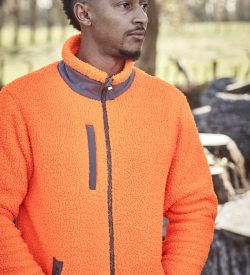
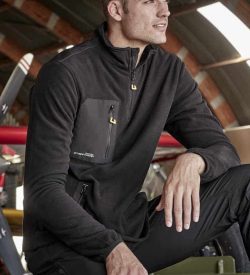
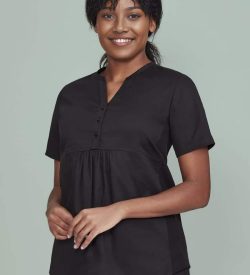
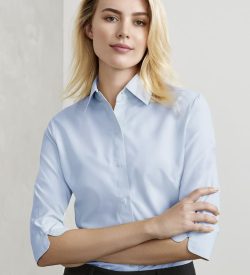
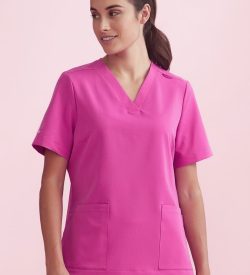
Apparel & uniforms (Brand visibility + team identity)
At the same time, apparel plays a key role in brand visibility:
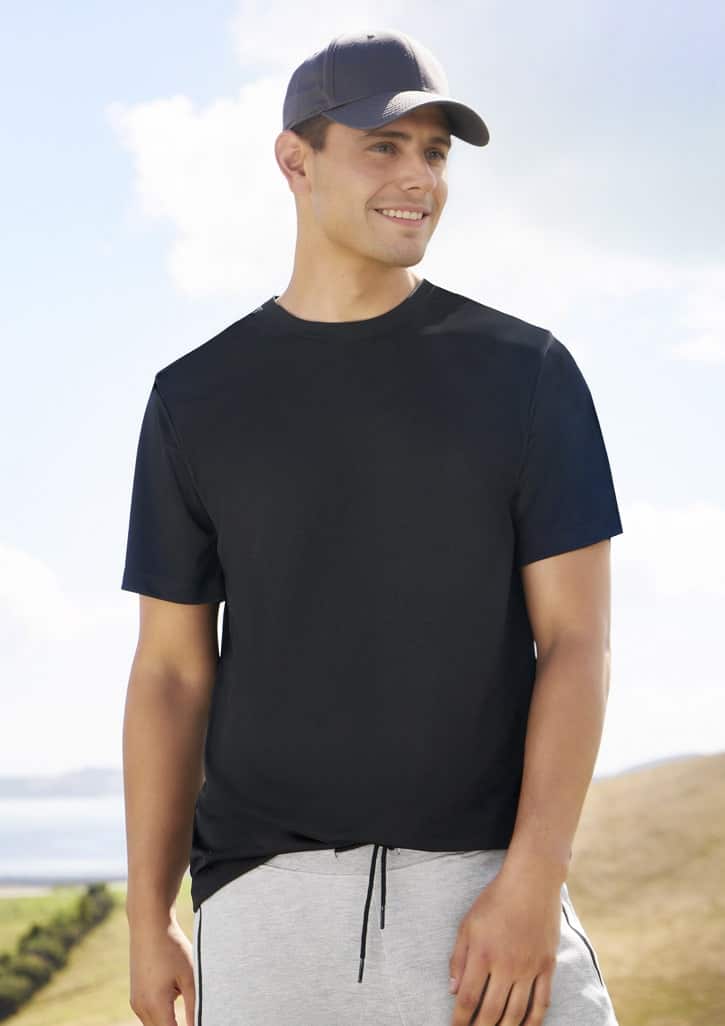
- Custom branded t-shirts
- Polo shirts
- Workwear and uniforms

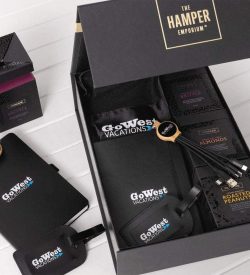
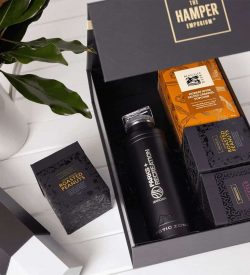
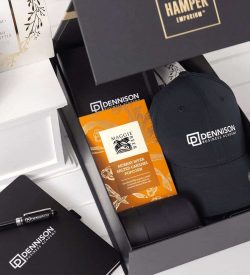
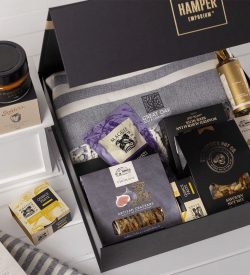
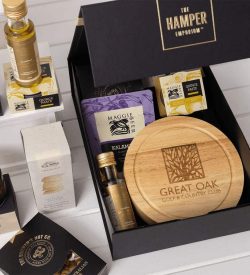
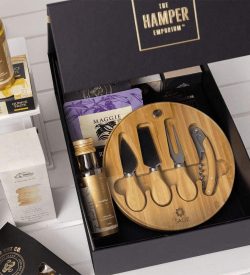
Corporate gifting (Relationship building)
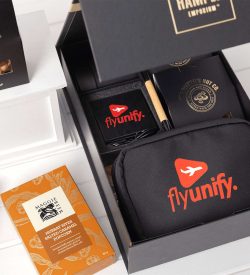
On the other hand, gifting focuses more on relationships:
- Tech accessories
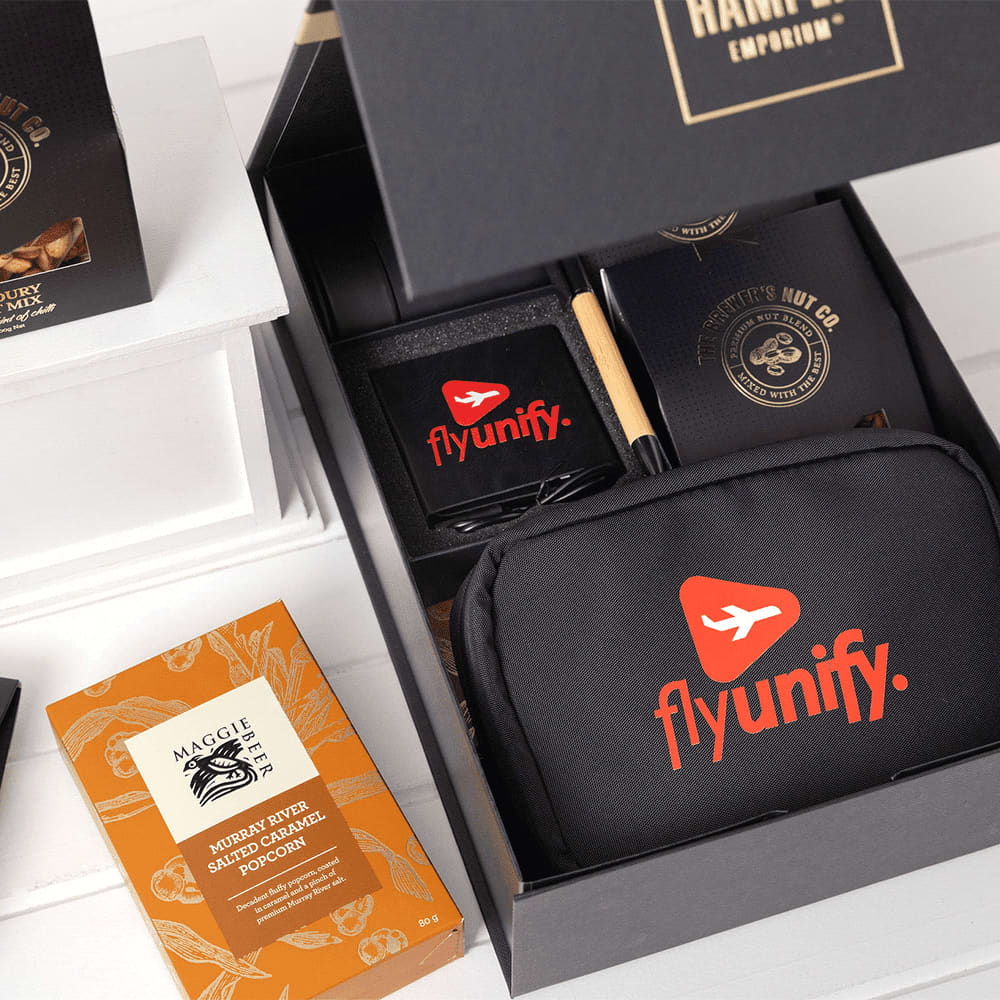
- Hampers
- Premium drinkware
Event merchandise (Short-term impact, high reach)
For campaigns and events, businesses often rely on:
- Giveaways
- Trade show items
- Campaign-based merchandise
How to choose the right branded merchandise
To choose the right branded merchandise, consider your audience, use case, budget, product usability, and campaign goals. Products that are practical and used regularly tend to deliver the best results.
A simple framework you can follow:
- Who is your audience?
Office workers, trades, healthcare, or event attendees - What is the use case?
Daily use, gifting, onboarding, or promotion - How often will it be used?
Higher usage = higher ROI - What is your budget?
Consider quantity vs quality balance - What is your timeline?
Standard (7–10 working days) vs express (24–72 hours)
How much does branded merchandise cost in Australia?
In Australia, pricing usually ranges from $2 to $30 per item. However, costs vary depending on the product, quantity, branding method, and turnaround time.
Key cost factors:
- Product type
- Quantity (volume discounts apply)
- Branding method (print, embroidery, transfer)
- Turnaround time
How long does branded merchandise take?
Most orders are completed within 7–10 working days. However, express options are available, with some products delivered in as little as 24–72 hours.
Typical turnaround options:
- Standard: 7–10 working days
- Express: 3-day dispatch
- Urgent: 24–72 hours (selected items)
Is branded merchandise more effective than digital advertising?
For long-term branding, physical products tend to outperform short-lived digital impressions. In addition, they help strengthen relationships by creating tangible touchpoints with your audience.
| Objective | Best Approach |
|---|---|
| Immediate traffic | Digital ads |
| Long-term brand recall | Branded merchandise |
| Client relationships | Branded merchandise |
| Campaign reach | Combined strategy |
What is the best branded merchandise for different goals?
Different goals require different products. For example:
| Goal | Best Products |
|---|---|
| Brand awareness | Tote bags, drink bottles |
| Events | Pens, giveaways |
| Staff uniforms | T-shirts, polos |
| Client gifting | Hampers, premium drinkware |
| Onboarding | Welcome packs |

What are the most common mistakes with branded merchandise?
Many businesses make the same mistakes when ordering merchandise. As a result, campaigns often underperform.
Avoid these pitfalls:
- Selecting products that won’t be used
- Focusing only on price instead of value
- Designing cluttered or unreadable branding
- Ordering too late
- Choosing the wrong quantity
Quick answers about branded merchandise
What is the most cost-effective promotional product?
Promotional pens and tote bags are the most cost-effective because they are affordable and used frequently, delivering a low cost per impression.
What branded merchandise gets used the most?
Generally, everyday items such as drink bottles, bags, and apparel are used the most, making them highly effective for brand exposure.
What is the minimum order for branded merchandise?
Minimum order quantities usually start from 10 to 50 units. However, this depends on the product and supplier.
Can I get branded merchandise quickly?
Yes, many products are available with express options. In some cases, delivery can be completed within 24 to 72 hours.
What makes branded merchandise successful?
Successful branded merchandise is practical, well-designed, relevant to the audience, and delivered on time.
Related searches businesses ask
Why work with Brand Impact?
At Brand Impact, the process is simple and transparent. You can upload your logo, view pricing instantly, and receive a digital artwork approval before production begins.
In addition, we offer:
- Fast turnaround times (7-10 days standard)
- Express options for urgent orders
- Consistent branding quality
- Australia-wide delivery
Final thoughts: Branded merchandise that actually works
Branded merchandise remains one of the most effective ways to build brand awareness and strengthen relationships. When planned correctly, it becomes a long-term marketing asset rather than a one-off expense.
In the end, success comes down to choosing the right products, understanding your audience, and executing your campaign properly.


